

7 Best Foods After Dental Surgery for a Fast Recovery in 2025
- Caterina Rutter
- Jan 3
- 18 min read

Navigating your diet after a dental procedure can feel daunting, but the right nutrition is your most powerful tool for healing. Choosing the best foods after dental surgery not only prevents discomfort but actively accelerates tissue repair, reduces swelling, and minimizes the risk of complications like dry socket. This guide moves beyond the obvious suggestions of ice cream and Jell-O to provide a strategic, nutrient-focused plan tailored for optimal recovery. We've created a comprehensive resource to empower our patients in Tempe, Chandler, and the surrounding communities, because we believe post-operative care is just as crucial as the procedure itself.
This listicle breaks down your nutritional roadmap into actionable, easy-to-prepare options that support every stage of healing. We will cover:
Immediate Post-Op (First 24-48 Hours): Ultra-soft, cool foods to soothe the surgical site and promote initial clotting.
The First Week: Nutrient-dense, soft foods that require minimal chewing but deliver essential vitamins and proteins for tissue regeneration.
Transitioning Back to Normal: Guidance on how to carefully reintroduce firmer textures without disrupting the healing process.
Inside, you will find specific food recommendations, sample meal ideas, and practical tips on preparation and texture modification. From protein-packed Greek yogurt to anti-inflammatory salmon, each item is selected for its direct contribution to a faster, more comfortable recovery. Consider this your expert-backed guide to a smooth healing journey, helping you get back to feeling like yourself as quickly and safely as possible.
1. Greek Yogurt - The Protein-Rich Soft Food
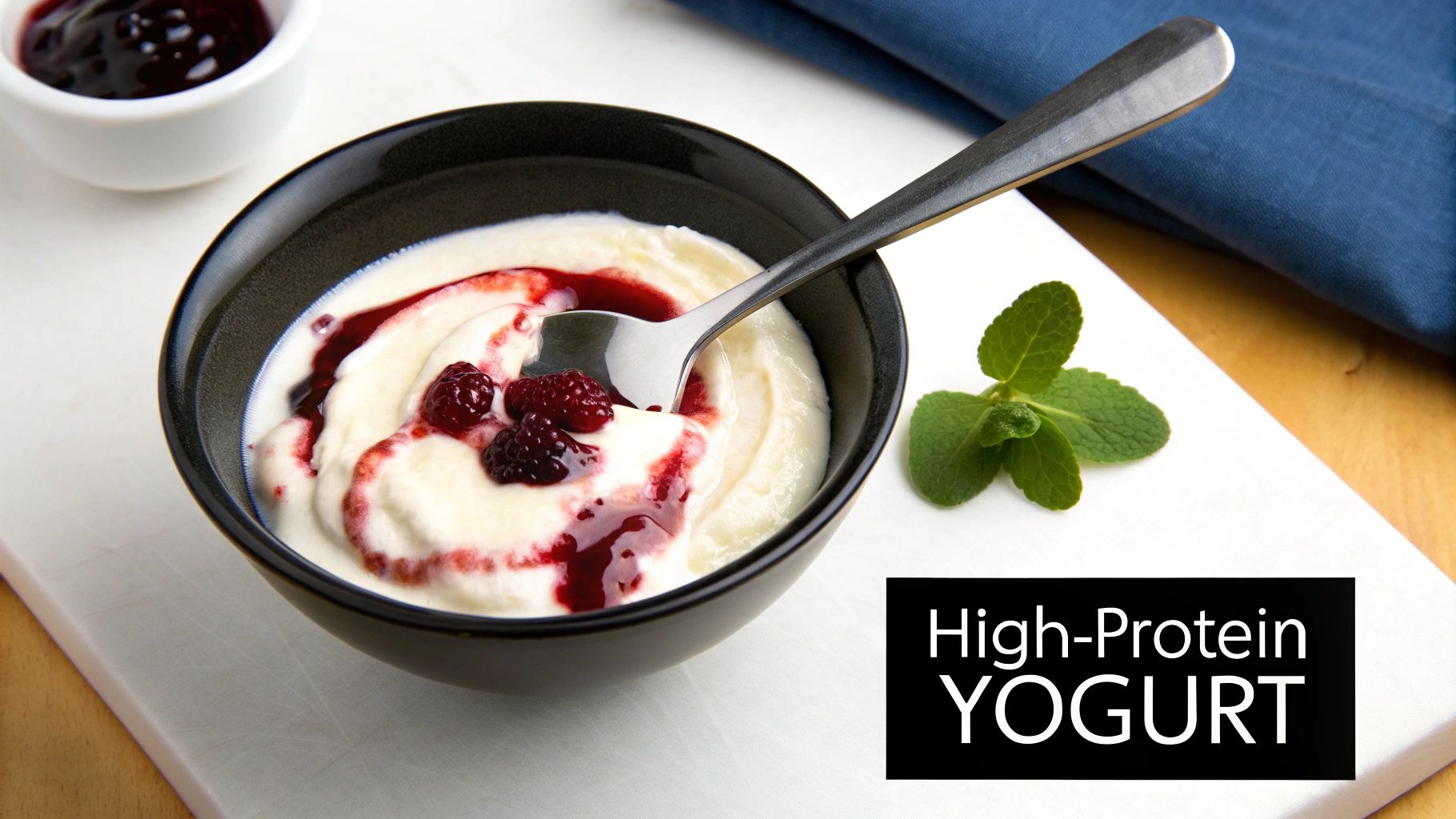
When considering the best foods after dental surgery, Greek yogurt consistently ranks at the top for its powerful combination of texture, nutrition, and healing properties. Its smooth, creamy consistency requires no chewing, making it an ideal choice immediately following procedures like wisdom tooth extractions, dental implants, or periodontal surgery. This allows you to meet your nutritional needs without irritating sensitive surgical sites.
What sets Greek yogurt apart is its exceptional protein content. Compared to regular yogurt, it typically contains nearly double the protein, which is a critical building block for tissue repair and regeneration. A protein-rich diet can accelerate the healing process by supporting the formation of new gum tissue and bone. Furthermore, its cool temperature can provide a soothing sensation to a sore mouth, helping to calm inflammation.
Why It's a Top Post-Surgery Choice
Greek yogurt is not just a soft food; it's a functional food that actively contributes to your recovery. It contains beneficial probiotics, which are live bacteria that support a healthy gut microbiome. A balanced gut is linked to a stronger immune system, helping your body fight off potential infections post-surgery.
Additionally, the calcium in Greek yogurt is essential for maintaining strong teeth and jawbones, which is especially important after procedures involving bone grafts or implant placement. The cold nature of the food also offers a gentle, numbing effect that can provide temporary relief from discomfort and swelling. If you are looking for more ways to manage post-operative swelling, this guide to reducing swelling after oral surgery offers several effective strategies.
Key Insight: The combination of high protein for tissue repair, probiotics for immune support, and a cool, soothing texture makes Greek yogurt a uniquely beneficial food during the critical first few days of recovery.
Actionable Tips for Implementation
To get the most out of this healing food, follow these practical tips:
Choose Plain, Full-Fat Varieties: Opt for plain Greek yogurt without added sugars or fruit chunks. Sugars can promote bacterial growth, and fruit pieces could irritate or get lodged in the surgical site. Full-fat versions provide extra calories for energy and promote a greater sense of satiety when your food intake is limited.
Avoid Extreme Temperatures: While the cold is soothing, yogurt straight from the refrigerator might be too intense for sensitive nerves. Let it sit at room temperature for 5-10 minutes to take the chill off before eating.
Mind the Toppings: Do not add crunchy toppings like granola, nuts, or seeds. These can easily damage healing tissues. If you want to add flavor, consider a smooth, seedless fruit puree.
Check the Label: Ensure you are buying "Greek yogurt" and not "Greek-style yogurt," as the latter may not have the same high protein and probiotic content. True Greek yogurt is strained to remove excess whey, which concentrates its nutrients.
2. Bone Broth - The Nutrient-Dense Healing Elixir
Bone broth stands out as one of the best foods after dental surgery, serving as a warm, soothing liquid packed with powerful healing compounds. This nutrient-dense elixir is made by slowly simmering animal bones and connective tissues for an extended period, which extracts vital minerals and proteins. Its liquid form requires no chewing, making it a safe and comforting option that bypasses surgical sites while delivering essential nutrition.
The true power of bone broth lies in its rich concentration of collagen, gelatin, and amino acids like glycine and proline. These compounds are the fundamental building blocks for repairing soft tissue, skin, and cartilage, making them indispensable for regenerating gum tissue and supporting the jawbone's recovery. The warm liquid also helps to gently increase blood flow to the surgical area, which can aid in the healing process without causing the thermal shock that very hot or cold foods might.
Why It's a Top Post-Surgery Choice
Bone broth is more than just a simple soup; it's a therapeutic food that directly supports cellular repair. The gelatin it contains helps protect the lining of the digestive tract, which can be beneficial if you are taking post-operative medications like antibiotics or pain relievers. This focus on gut health supports a robust immune response, helping your body defend against potential infections at the surgical site.
Furthermore, bone broth is a natural source of electrolytes and minerals like calcium, magnesium, and phosphorus, which are crucial for hydration and bone health. Staying properly hydrated is a key component of a smooth recovery. For those recovering from procedures like extractions, sipping on this nourishing broth is an excellent strategy. Additional guidance on a speedy recovery is available in this comprehensive guide to tooth extraction recovery, which offers several useful tips.
Key Insight: The unique combination of easily absorbable collagen, anti-inflammatory amino acids, and essential minerals makes bone broth a potent elixir for accelerating tissue regeneration and reducing inflammation from the inside out.
Actionable Tips for Implementation
To maximize the healing benefits of bone broth, consider these practical tips:
Opt for Quality: Whenever possible, choose bone broth made from grass-fed or pasture-raised animals. These sources typically yield a higher concentration of nutrients and anti-inflammatory fats. Brands like Kettle & Fire offer convenient, high-quality options.
Maintain a Safe Temperature: Heat the broth until it is warm, not hot. An ideal temperature is around 100-110°F. Overly hot liquids can dissolve blood clots or irritate sensitive, healing tissues.
Sip Slowly: Instead of drinking a large amount at once, sip a cup slowly throughout the day. This provides a steady stream of nutrients and keeps you hydrated without overwhelming your system. Aim for one to two cups daily.
Enhance with Anti-Inflammatories: For an extra healing boost, consider adding a pinch of turmeric or a sliver of fresh ginger to your warm broth. Both are known for their powerful natural anti-inflammatory properties. Just be sure to strain out any solid pieces before drinking.
3. Smoothie bowls - The Customizable Nutrient Vehicle
Smoothie bowls are an outstanding choice when selecting the best foods after dental surgery because they offer unparalleled nutritional versatility in a spoon-friendly format. Unlike drinkable smoothies, their thicker, spoon-thick consistency makes them easier to manage with limited jaw mobility and less likely to cause issues with suction. This thicker blend allows you to consume a dense concentration of vitamins and calories without irritating delicate oral tissues.
The primary advantage of a smoothie bowl is its complete customizability. You can precisely control the ingredients to support your body's healing needs, blending fruits, vegetables, and protein sources into a smooth, palatable meal. Using frozen fruit not only creates a desirable thick texture but also provides a gentle cooling effect that can soothe inflammation and discomfort in the mouth, similar to a cold compress.
Why It's a Top Post-Surgery Choice
A smoothie bowl is more than just blended fruit; it's a powerful vehicle for delivering essential healing nutrients. By adding ingredients like protein powder or collagen peptides, you can directly support tissue regeneration and repair. Blending in leafy greens like spinach provides a boost of vitamins A and C, which are crucial for immune function and collagen synthesis, without affecting the taste or texture.
This adaptability makes smoothie bowls suitable for various stages of recovery. In the initial days, a simple banana-based bowl provides calories and potassium. Later in the week, you can add soft nut butters for healthy fats and extra protein to promote satiety and sustained energy. The key is creating a blend that is entirely free of seeds, nuts, or hard pieces that could disrupt the surgical site. To truly master your smoothie bowls and ensure a smooth consistency for easy consumption post-surgery, a complete guide to the best food blender for smoothies can be incredibly helpful.
Key Insight: The thick, spoonable texture and complete ingredient control make smoothie bowls a superior choice for delivering concentrated, customized nutrition without the risks associated with straws or chewing.
Actionable Tips for Implementation
To safely and effectively incorporate smoothie bowls into your recovery diet, follow these guidelines:
Prioritize Smooth Ingredients: Start with a base of soft, seedless ingredients like banana, avocado, or mango. Use frozen fruit to achieve a thick, ice-cream-like consistency that is naturally cooling.
Boost with Protein: Add a scoop of unflavored or mild-flavored protein powder, collagen peptides, or even plain Greek yogurt to support tissue repair. This is essential for accelerating the healing process.
Incorporate Leafy Greens: Blend in a handful of fresh spinach or kale. These greens are rich in vitamins and minerals but will not alter the smooth texture or flavor profile significantly.
Avoid Seeds and Straws: Do not add ingredients with seeds, like raspberries or certain blackberries, and never use a straw. The suction from a straw can dislodge the crucial blood clot at the surgical site, leading to a painful condition known as dry socket. Eat slowly with a spoon.
4. Scrambled Eggs - The Soft Protein Powerhouse
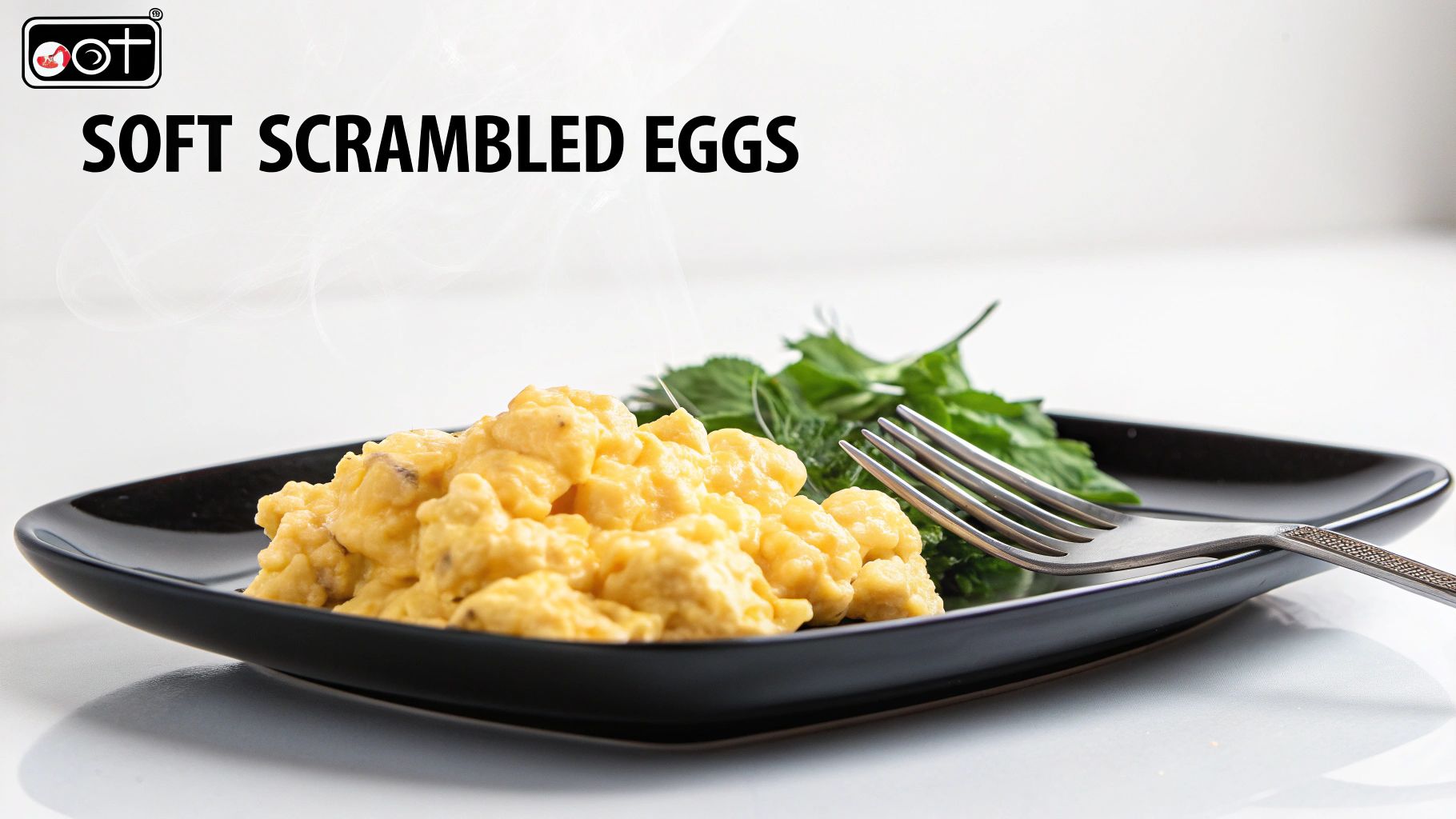
Among the best foods after dental surgery, scrambled eggs stand out for their exceptional combination of soft texture, high-quality protein, and ease of preparation. Their gentle, fluffy consistency requires almost no chewing, making them a safe and comfortable option when your mouth is tender and healing. This allows you to consume a substantial, satisfying meal without putting any stress on sensitive gums or surgical sites.
The primary benefit of eggs lies in their status as a complete protein, meaning they contain all nine essential amino acids that the body cannot produce on its own. These amino acids are fundamental for cellular regeneration, tissue repair, and reducing inflammation, which are all critical processes for a speedy recovery. Cooked slowly, scrambled eggs become incredibly soft and custard-like, providing vital nutrients in a format that is easy to swallow and gentle on your mouth.
Why It's a Top Post-Surgery Choice
Scrambled eggs are more than just a simple soft food; they are a nutritional workhorse that actively supports the body's healing mechanisms. Rich in vitamins like A, B12, and D, as well as minerals like zinc and iron, eggs contribute to a robust immune response, helping to ward off potential infections at the surgical site. Zinc, in particular, is renowned for its role in wound healing and tissue formation.
Their warm, but not hot, temperature can be comforting and less shocking to sensitive nerves compared to cold foods. Additionally, eggs are a great source of healthy fats and calories, which are crucial when your overall food intake might be lower than usual. This sustained energy helps your body focus its resources on healing instead of struggling to meet basic metabolic needs.
Key Insight: The complete amino acid profile in scrambled eggs provides the essential building blocks for tissue repair, while their soft, non-abrasive texture makes them one of the safest and most effective foods for promoting healing after dental procedures.
Actionable Tips for Implementation
To maximize the benefits of scrambled eggs during your recovery, focus on the preparation method and ingredients:
Cook Low and Slow: Avoid high heat, which can create firm or rubbery curds. Cook the eggs over low heat for 7-10 minutes, stirring constantly, to achieve a soft, creamy, and almost liquid consistency that requires minimal oral effort.
Add Healthy Fats and Nutrients: Use butter or a touch of cream for added calories and a richer texture. You can also mix in a spoonful of soft avocado or a small amount of smooth cottage cheese after cooking for extra nutrients and creaminess.
Keep Seasonings Simple: Avoid pepper, spicy sauces, or harsh herbs that could irritate the healing tissues. A small pinch of salt is usually sufficient for flavor.
Prepare in Batches: Cook 2-3 servings at once and store them in the refrigerator. You can gently reheat them in the microwave for a quick, convenient meal without having to cook every time you feel hungry.
5. Mashed Sweet Potatoes - The Nutrient-Dense Carbohydrate
Among the best foods after dental surgery, mashed sweet potatoes stand out as a comforting, nutrient-rich carbohydrate source that supports energy needs without compromising sensitive oral tissues. Their naturally soft and smooth texture is perfect for post-operative consumption, as it requires no chewing and glides down easily, minimizing irritation to the surgical area. This makes them a safe and satisfying option during the initial days of recovery.
What truly elevates mashed sweet potatoes is their incredible nutritional profile, specifically tailored for healing. They are an excellent source of beta-carotene, a powerful antioxidant that the body converts into Vitamin A. This vitamin is essential for epithelial tissue regeneration, immune function, and the formation of collagen, a key protein in gum and connective tissue repair. Consuming adequate carbohydrates like those from sweet potatoes also prevents your body from using protein for energy, allowing it to focus on tissue rebuilding.
Why It's a Top Post-Surgery Choice
Mashed sweet potatoes offer more than just a soft texture; they provide sustained energy and potent anti-inflammatory benefits crucial for recovery. They are packed with Vitamin C, which further supports collagen synthesis and helps bolster the immune system against potential infections. The presence of potassium helps maintain electrolyte balance, which can be disrupted if your food intake is limited.
Their warm, soothing nature can be incredibly comforting, contrasting with the cold foods often recommended. This warmth can help relax a sore jaw and provide psychological comfort during a challenging recovery period. Hospitals and surgical dietitians frequently recommend sweet potato puree as a standard post-operative choice due to its high nutrient density and digestibility.
Key Insight: Sweet potatoes deliver a unique combination of easily digestible energy and vital healing micronutrients like Vitamin A and C, directly supporting gum tissue repair and immune defense in a comforting, warm format.
Actionable Tips for Implementation
To maximize the healing potential of this food, consider these practical suggestions:
Prepare in Batches: Cook and mash a large batch of sweet potatoes at once. Portion them into individual servings and freeze them, making it easy to have a nutritious meal ready with minimal effort. Simply reheat gently before eating.
Consume Warm, Not Hot: Serve mashed sweet potatoes warm for maximum comfort. Avoid excessively hot temperatures, which can irritate the surgical site and increase blood flow, potentially leading to more swelling.
Boost with Broth: Instead of milk or cream, which can sometimes produce excess mucus, mix in bone broth when mashing. This not only enhances the flavor but also adds valuable minerals and collagen to aid the healing process.
Add Anti-Inflammatory Spices: Gently stir in a pinch of Ceylon cinnamon. This spice is known for its anti-inflammatory properties and can help manage post-surgical inflammation without irritating tissues.
Skip the Sugar: Avoid adding marshmallows, brown sugar, or other sweeteners in the early recovery phase. Sugar can encourage harmful bacterial growth around the surgical site and hinder the healing process.
6. Avocado - The Soft, Nutrient-Dense Fruit
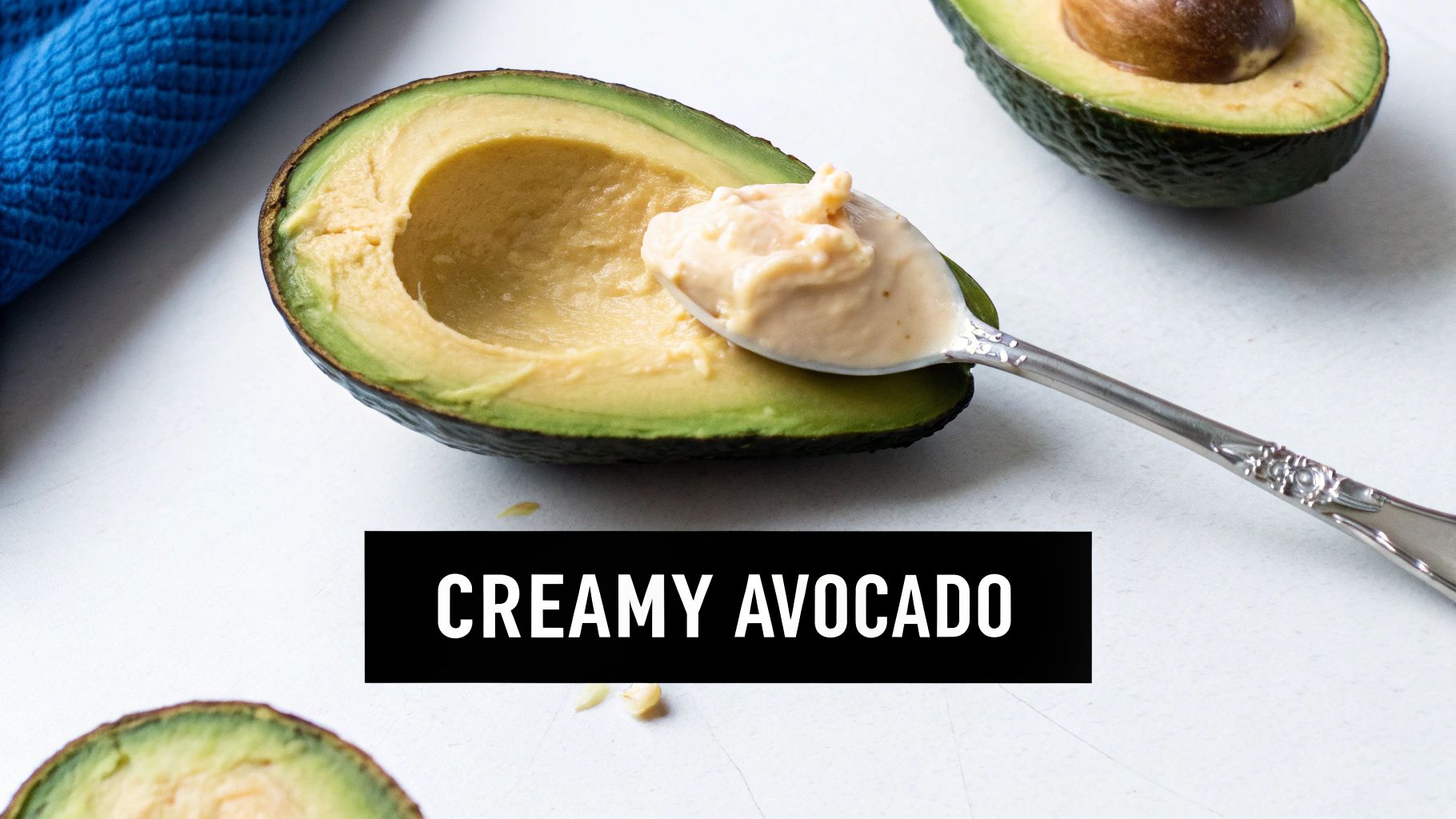
When it comes to the best foods after dental surgery, avocado stands out for its unique combination of healthy fats, essential nutrients, and an incredibly soft texture. Its naturally creamy consistency means it can be eaten directly with a spoon, requiring absolutely no chewing. This makes it a perfect food for the immediate post-operative period when your mouth is tender and chewing is off-limits.
Avocado is a powerhouse of nutrition, packed with monounsaturated fats that help reduce inflammation and support overall health. It is also rich in vitamins K, C, E, and B-6, as well as potassium, which is crucial for maintaining proper fluid balance in the body. This dense nutrient profile provides your body with the fuel it needs to heal efficiently without irritating the surgical site.
Why It's a Top Post-Surgery Choice
Avocado is more than just an easy-to-eat food; it's a healing-supportive choice recommended by both oral surgeons and registered dietitians for post-operative recovery. Its healthy fats are not only a great source of calories when your appetite might be low, but they also possess anti-inflammatory properties that can help manage post-surgical swelling. This makes it particularly beneficial after procedures like wisdom tooth removal or dental implant placement.
Furthermore, its gentle, smooth texture will not disturb sutures or healing gum tissue. Unlike many other soft foods that can be high in sugar or low in nutrients, avocado provides substantial sustenance. This helps prevent the fatigue that can accompany a limited diet, ensuring your body has the energy reserves to focus on recovery.
Key Insight: Avocado's blend of healthy anti-inflammatory fats, essential vitamins, and a naturally mashable texture provides a significant caloric and nutritional boost without requiring any chewing, making it a premier food for tissue repair.
Actionable Tips for Implementation
To maximize the benefits of avocado during your recovery, consider these practical tips:
Plan for Ripeness: Purchase several avocados at varying stages of ripeness. This ensures you have a perfectly soft, ready-to-eat avocado available each day without them all ripening at once.
Prevent Browning: If you only eat half, sprinkle the remaining half with a little lemon or lime juice and wrap it tightly in plastic wrap. Refrigerating it this way will help it stay fresh for your next meal.
Consume Promptly: For the best texture and nutrient content, try to eat the avocado within a couple of hours of cutting it open. This is when it is at its creamiest.
Pair for More Nutrients: For an easy, nutrient-dense liquid meal, blend half an avocado into a serving of lukewarm bone broth. This combination provides healthy fats, protein, and collagen to support healing.
Choose Smaller Varieties: During recovery, smaller avocados can be a better choice. You are more likely to finish one in a single sitting, minimizing waste and ensuring you consume it at peak freshness before it has a chance to brown.
7. Soft-Cooked Salmon with Omega-3 Benefits - The Anti-Inflammatory Protein
As you transition beyond the initial 48 hours of recovery, soft-cooked salmon emerges as a nutritional powerhouse and one of the best foods after dental surgery. Its primary benefit lies in its exceptional omega-3 fatty acid content, particularly EPA and DHA, which are renowned for their potent anti-inflammatory properties. This makes salmon a key player in actively reducing post-operative swelling and discomfort, accelerating your body’s natural healing cascade.
When poached, steamed, or baked until tender, salmon’s texture becomes incredibly flaky and soft, easily breaking apart with a fork. This requires minimal to no chewing, protecting delicate surgical sites from stress while delivering a substantial serving of high-quality protein. This protein is essential for rebuilding gum tissue and supporting the regeneration of bone, which is especially critical after procedures like dental implants or bone grafts.
Why It's a Top Post-Surgery Choice
Soft-cooked salmon is more than just an easy-to-eat protein; it is a therapeutic food that directly aids in recovery. The anti-inflammatory action of omega-3s can help manage pain and swelling systemically, offering a nutritional complement to prescribed medications. This is why it is frequently recommended by registered dietitians for post-surgical recovery diets, not just in dentistry but across various medical fields.
Furthermore, salmon is a rich source of Vitamin D and B vitamins, which support immune function and energy metabolism. A strong immune system is vital for preventing post-operative complications, such as infection. Properly managing your diet and recovery can also help you avoid issues like dry socket, a painful condition that can occur after tooth extractions. For more information, you can learn about the signs of dry socket here to stay informed.
Key Insight: Salmon’s unique combination of easily digestible protein for tissue repair and powerful omega-3 fatty acids for inflammation control makes it a superior choice for the 3-7 day recovery window.
Actionable Tips for Implementation
To safely incorporate this healing food into your post-surgery diet, follow these specific tips:
Cook for Softness: Poaching in broth or steaming are the best methods to achieve a moist, flaky texture. Avoid searing or grilling, as this can create a tougher exterior that is difficult to eat.
Flake and Inspect: Before eating, use a fork to thoroughly flake the salmon into small, manageable pieces. Meticulously check for and remove any small bones that could pose a hazard to the surgical site.
Choose High-Quality Fish: Opt for wild-caught Alaskan salmon when possible, as it generally contains a higher concentration of omega-3 fatty acids and fewer contaminants compared to some farmed varieties.
Pair with Other Soft Foods: Serve the flaked salmon alongside mashed sweet potatoes or avocado to create a balanced, nutrient-dense, and completely soft meal that supports healing and energy levels. Beyond salmon, exploring a variety of anti-inflammatory meal prep recipes can further support your body's healing and calm.
Comparison of 7 Best Foods After Dental Surgery
Item | Preparation / Complexity 🔄 | Resources & Efficiency ⚡ | Expected Healing Impact ⭐📊 | Ideal Use Cases 💡 | Key Advantages / Limitations |
|---|---|---|---|---|---|
Greek Yogurt — The Protein‑Rich Soft Food | Minimal — no heating, 2–3 min serving | Low — fridge & spoon; inexpensive | ⭐⭐⭐⭐ — high protein + probiotics; soothing 📊 | Immediate post-op (extractions, wisdom teeth, grafts) | Advantages: high protein, cooling, easy. Limitations: lactose, flavored sugar, needs refrigeration |
Bone Broth — The Nutrient‑Dense Healing Elixir | High if homemade (12–48 h); low if store‑bought | Moderate — slow cooker or ready‑made; freezable | ⭐⭐⭐⭐⭐ — collagen, gelatin, minerals; strong for tissue & bone repair 📊 | Complex surgeries (implants, bone grafts, full‑mouth) | Advantages: nutrient‑dense, anti‑inflammatory. Limitations: time‑consuming, variable taste/quality |
Smoothie Bowls — The Customizable Nutrient Vehicle | Moderate — blender; 5–10 min; best fresh | Moderate — blender, frozen fruit, protein; variable cost | ⭐⭐⭐ — customizable protein & antioxidants; cooling effect 📊 | Versatile across recovery stages; good when jaw mobility limited | Advantages: highly adaptable, multi‑nutrient. Limitations: blender required, best fresh, cold may discomfort |
Scrambled Eggs — The Soft Protein Powerhouse | Low — 5–7 min; cook low‑and‑slow for custard texture | Low — pan & stove; eggs widely available | ⭐⭐⭐⭐ — complete protein; supports tissue repair 📊 | Early recovery (day 1 onward); extractions, implants | Advantages: complete protein, quick, satiating. Limitations: cooking needed, possible egg aversion, cholesterol concerns |
Mashed Sweet Potatoes — The Nutrient‑Dense Carbohydrate | Moderate — ~45 min bake; mash or puree | Moderate — oven, mash tools; bulk‑prep & freeze | ⭐⭐⭐ — beta‑carotene & carbs for energy and tissue formation 📊 | When sustained energy needed; good accompaniment to proteins | Advantages: nutrient‑dense, naturally soft. Limitations: long cook time, monotony, possible staining/digestive upset |
Avocado — The Soft, Nutrient‑Dense Fruit | Minimal — cut & scoop; no cooking | Very low — knife & spoon; cost varies; narrow ripeness window | ⭐⭐⭐ — monounsaturated fats reduce inflammation; micronutrients 📊 | Severely limited jaw mobility; early recovery stages | Advantages: zero‑prep, soft, nutrient‑dense. Limitations: timing/ripeness, browning, cost, texture dislikes |
Soft‑Cooked Salmon — The Anti‑Inflammatory Protein | Moderate — poach/steam 12–15 min; flake and debone carefully | Moderate‑High — stove, quality fish; higher cost | ⭐⭐⭐⭐ — rich EPA/DHA + complete protein; strong anti‑inflammatory impact 📊 | Complex surgeries (implants, grafts); 3–7 day window when tolerated | Advantages: superior omega‑3s & protein. Limitations: cost, bones/choking risk, smell/allergies |
Beyond the Menu: Your Next Steps to a Successful Recovery
Navigating your recovery from dental surgery is much like learning a new recipe; having the right ingredients is essential, but understanding the method is what ensures a successful outcome. Throughout this guide, we've explored a curated menu of the best foods after dental surgery, from the protein-packed creaminess of Greek yogurt and scrambled eggs to the anti-inflammatory power of soft-cooked salmon and the comforting, nutrient-dense warmth of bone broth and mashed sweet potatoes. You are now equipped with a pantry full of ideas to keep you nourished without compromising your healing surgical site.
However, your post-operative success hinges on more than just your food choices. The true art of recovery lies in integrating this nutritional strategy into a comprehensive healing plan. Your diet is the fuel, but rest, hydration, and meticulous adherence to your surgeon's instructions are the engine and chassis that will carry you to a smooth and speedy recovery. Think of this period not as a limitation, but as a strategic investment in your long-term oral health.
Key Takeaways for a Seamless Healing Process
To ensure you're on the fastest track to feeling like yourself again, let's distill the most critical takeaways from this guide into actionable steps you can implement immediately:
Prioritize Texture and Temperature: Your primary goal in the first 24-48 hours is to protect the surgical site. This means sticking to smooth, liquid, or puréed foods that are cool or lukewarm. Avoid anything that requires chewing, is hot, or has small seeds or grains that could get lodged in the wound.
Embrace Nutrient Density: Healing is an energy-intensive process. Your body is working overtime to repair tissue, and it needs high-quality fuel. Focus on foods rich in protein (for tissue repair), vitamins A and C (for collagen formation and immune support), and healthy fats like Omega-3s (to reduce inflammation).
Hydration is Non-Negotiable: Water is fundamental to every cellular process, including healing. Sip water consistently throughout the day, but remember the golden rule: no straws. The suction can dislodge the crucial blood clot protecting your surgical site, leading to a painful condition known as dry socket.
Listen to Your Body and Your Surgeon: While this guide provides a general roadmap, your personal recovery journey is unique. Pay close attention to signals from your body. If a certain food causes discomfort, stop. Most importantly, your dental surgeon's specific post-operative instructions are your ultimate authority. They know your case intimately and have provided a tailored plan for your success.
Your Action Plan for Post-Surgical Success
Mastering your post-operative diet is about more than just avoiding pain; it’s about actively accelerating your body's natural healing capabilities. By providing it with the right building blocks and avoiding potential irritants, you minimize the risk of complications like infection or dry socket, reduce swelling and inflammation more quickly, and can return to your normal routine and diet with confidence.
Pro-Tip: Prepare ahead of time. Before your surgery, stock your pantry and refrigerator with approved items. Pre-make a batch of bone broth or a large smoothie you can portion out. Having these options readily available removes the stress of figuring out what to eat when you're feeling tired and sore.
This proactive approach transforms your kitchen from a place of dietary restrictions into your personal recovery command center. Each soft, nutrient-rich meal you consume is a deliberate step toward healing, a conscious choice that empowers you to take control of your recovery. As you progress through the healing stages, from purées to soft solids, celebrate each small milestone. It’s a testament to your diligence and your body’s incredible ability to heal.
A well-planned post-operative diet is your first line of defense for a smooth recovery, but it works best when paired with expert clinical care. The team at Beautiful Dentistry is committed to supporting you through every phase of your treatment, from the initial consultation to your final follow-up, ensuring your post-surgical experience is as comfortable and successful as possible. If you are in the Tempe, Chandler, or South Phoenix area and have questions about an upcoming procedure or your recovery needs, contact us today at Beautiful Dentistry for compassionate, comprehensive dental care.


Comments